
NDIS and Functional Vision Assessment: What Is Covered?
Do you or the person you care for have vision challenges, but have been told that your eyes are fine? Have you attended an eye test, but been left with more questions than answers? If so, it is likely that a functional vision assessment would help you understand how vision affects daily life.

Can we Assess Vision if Someone Can’t Tell Us What They See?
For many people, an eye test involves reading letters on a chart and making choices regarding which lenses provide the clearest image. But for individuals who are non-verbal, minimally verbal, intellectually impaired, or have complex developmental or neurological disabilities, this type of testing is often inaccessible. We need a different approach to understand how the person is seeing and functioning in the world around them.
Vision Assessment for people with Intellectual Disabilities
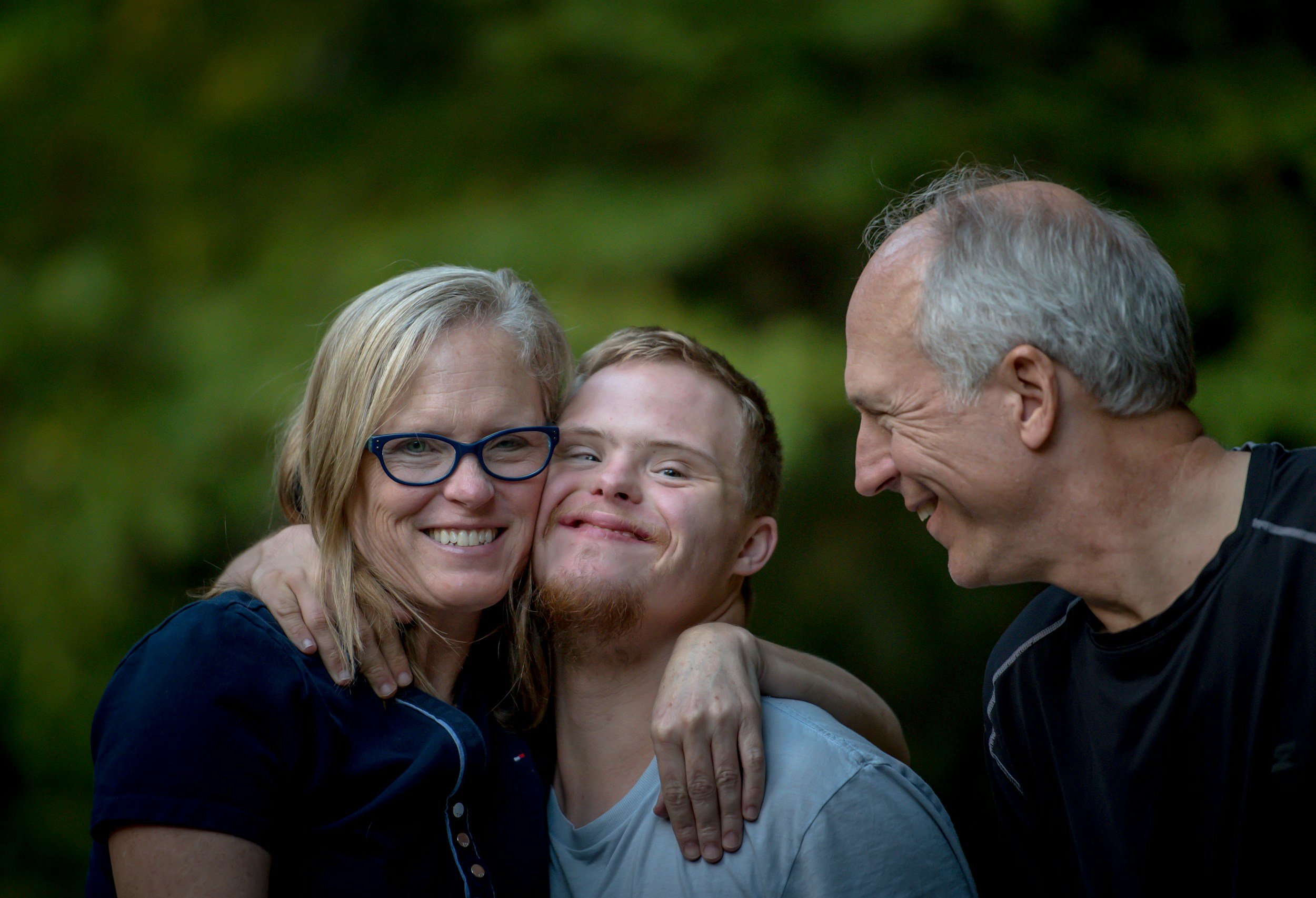
If you know, care for, or work with, someone with intellectual disabilities, you may have wondered if it is possible for them to have their eye health and vision assessed, and if so, how would we accomplish this? Maybe they are minimally verbal, or have a degree of echolalia (where a person repeats words immediately after hearing them), meaning that what they do say is not always reliable. In this article we’ll attempt to show how we can overcome those barriers.
How mainstream technology can help when your vision is reduced: iPhones
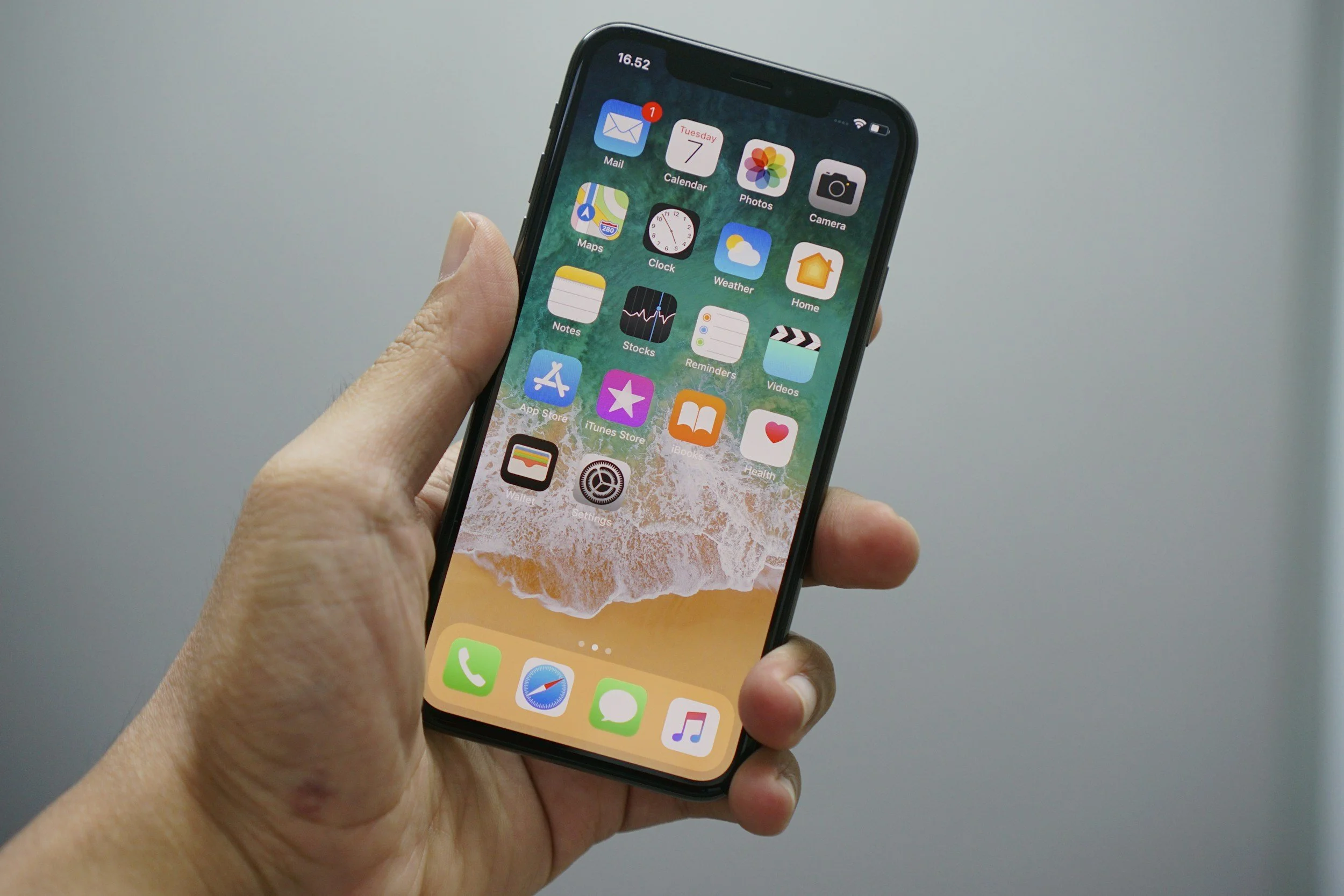
Smart phones have become a great tool for people with low vision. If you have reduced vision, check out some of the ways in which your smart phone can help make things more accessible for you.
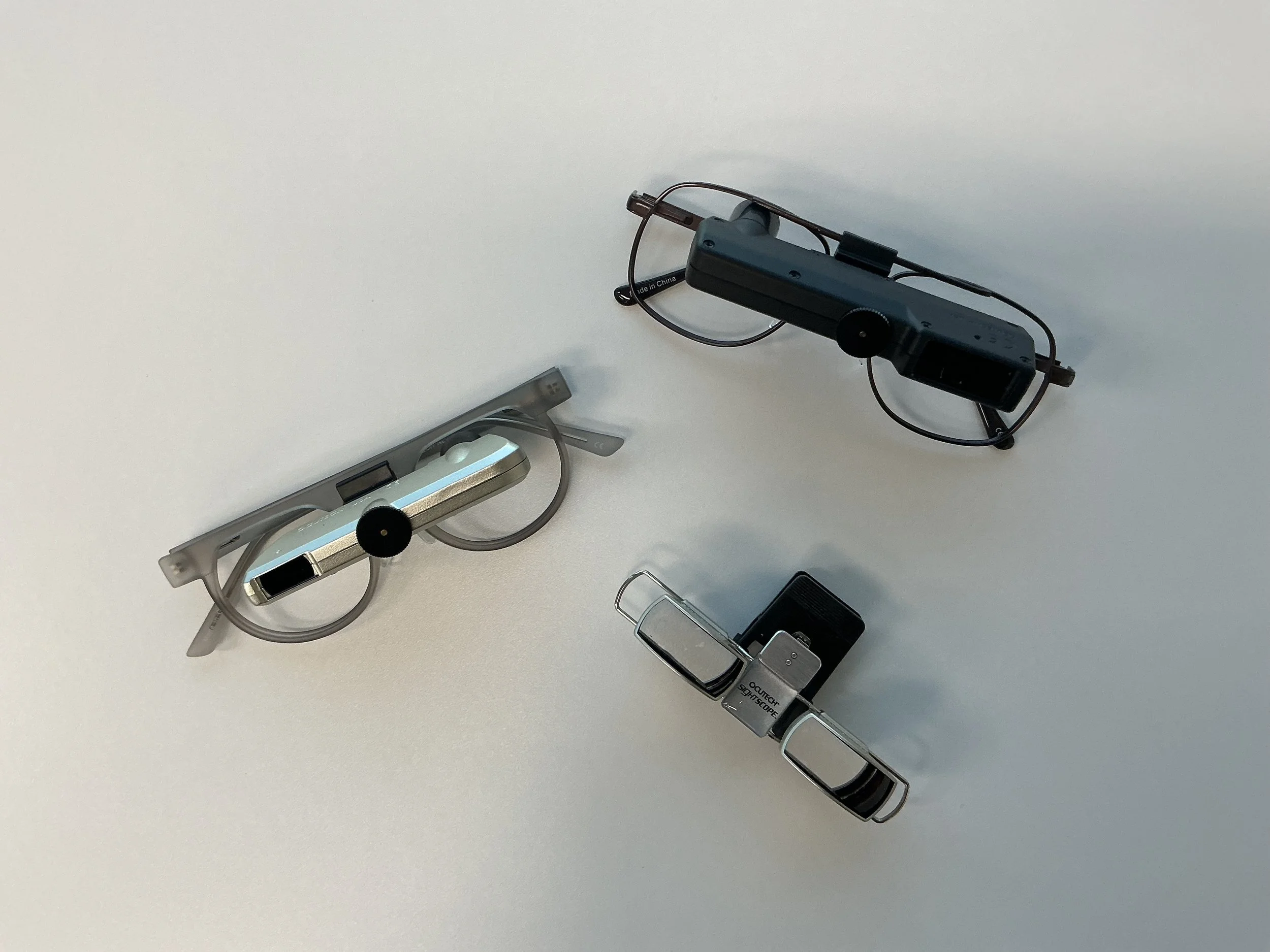
Low vision devices: All about bioptics
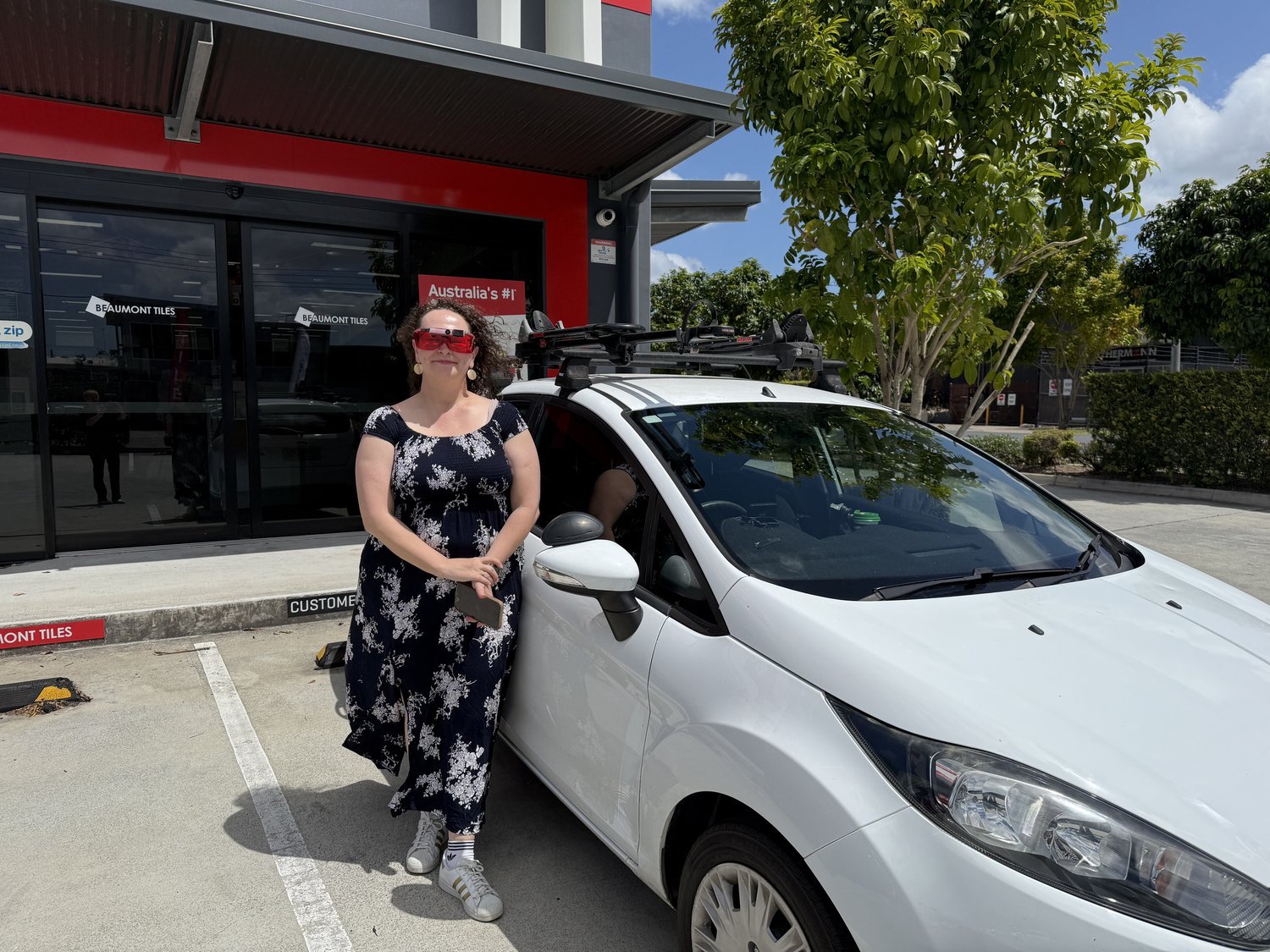
If you, or someone you care about is navigating life with low vision, you will be aware of the significant challenges it can create, and the difficulties imposed on everyday activities. When faced with a challenge, it is critical to have the right tools for the job. Bioptics are one of the most versatile tools for people with low vision.

Celebrating White Cane Safety Day: Honouring Independence & Raising Awareness
Every year on October 15, we observe White Cane Safety Day — a day that recognises the significance of the white cane as more than just a mobility aid, but as a powerful symbol of autonomy, resilience and accessibility.